Read
Follow the presentation as each new word becomes the active target.
Personal Comedy Project · 2021
Survive a classroom presentation by timing every word correctly and avoiding an embarrassing voice crack.
Project Overview
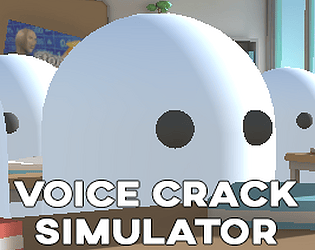
Voice Crack Simulator is a short first-person comedy game built around the pressure of presenting in front of a classroom.
Each word in the presentation requires a successful timing check. Accurate inputs continue the speech and build score, while failure produces an embarrassing voice crack.
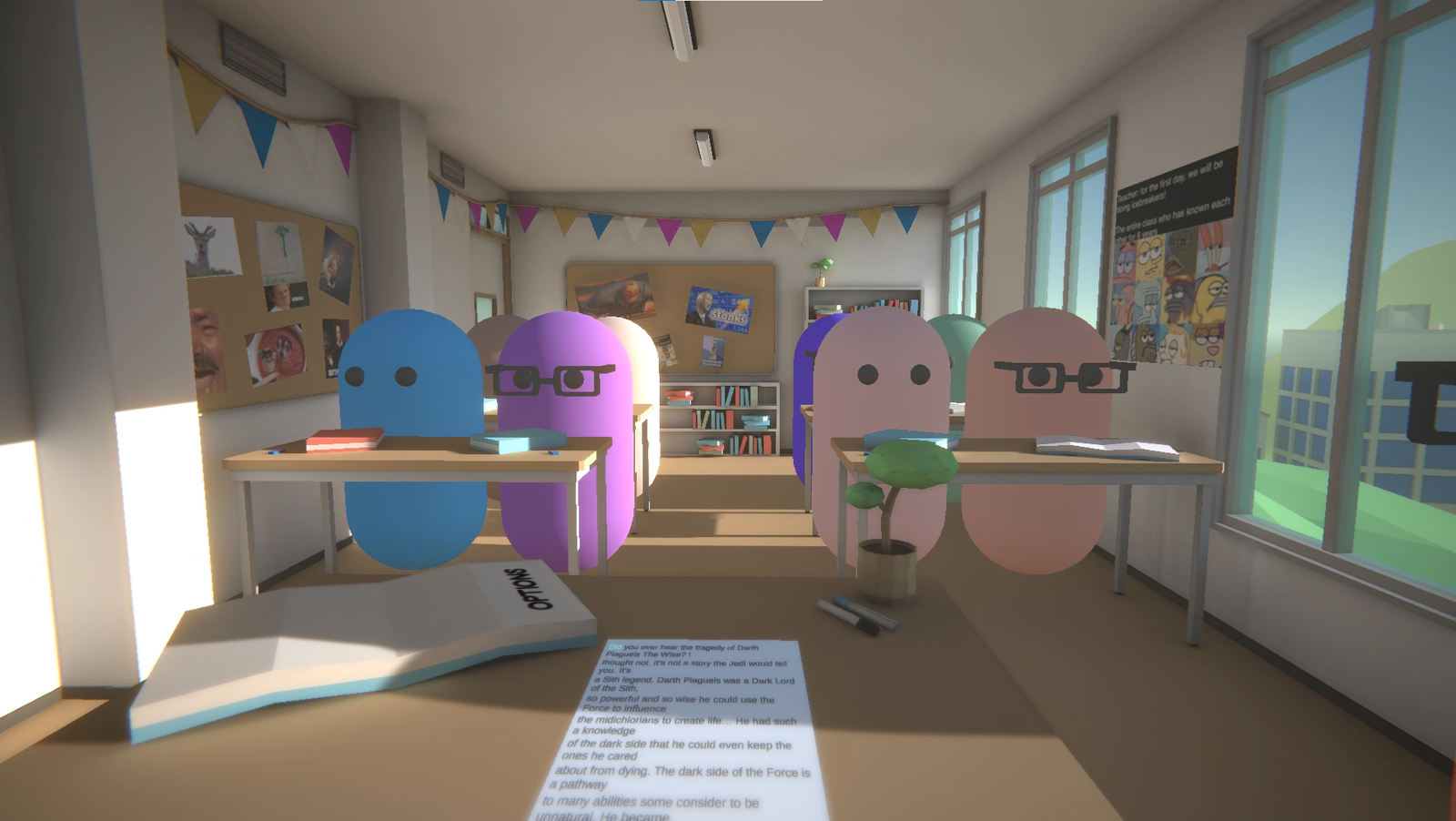
Players can also look around the classroom and discover small jokes and easter eggs while attempting to complete the presentation.
The project began as a personal challenge inspired by a friend who frequently experienced voice cracks.
I wanted to explore whether that small recurring joke could support a complete game mechanic rather than remaining a simple visual gag.
A classroom presentation created an understandable source of pressure, while the timing system translated speaking confidently into a repeatable player action.
Follow the presentation as each new word becomes the active target.
Track the moving pointer and randomly generated success zone.
Press the spacebar when the pointer enters the successful timing area.
Build a streak, earn points and complete the presentation with fewer failures.
Every word creates a new timing challenge with variable speed and a differently sized success zone.
Successful timing advances the presentation normally. Failure marks the word, breaks the streak and plays a voice crack before moving to the next challenge.
I designed and developed the project independently, from its comedic concept to the classroom environment and timing mechanics.
Developed independently with additional help from James and Minde.
The main technical challenge was synchronising gameplay state with every individual word of the presentation.
The system needed to identify the active word, highlight it, process the timing result and change its colour to communicate success or failure.
After recording the result, the presentation had to advance cleanly to the next word and generate another skill check without breaking the text layout.
Difficulty was equally challenging. Smaller success zones and faster pointer speeds created competition, but the finished prototype can become overly demanding. This became an important lesson in difficulty curves, accessibility and player onboarding.
Game Gallery
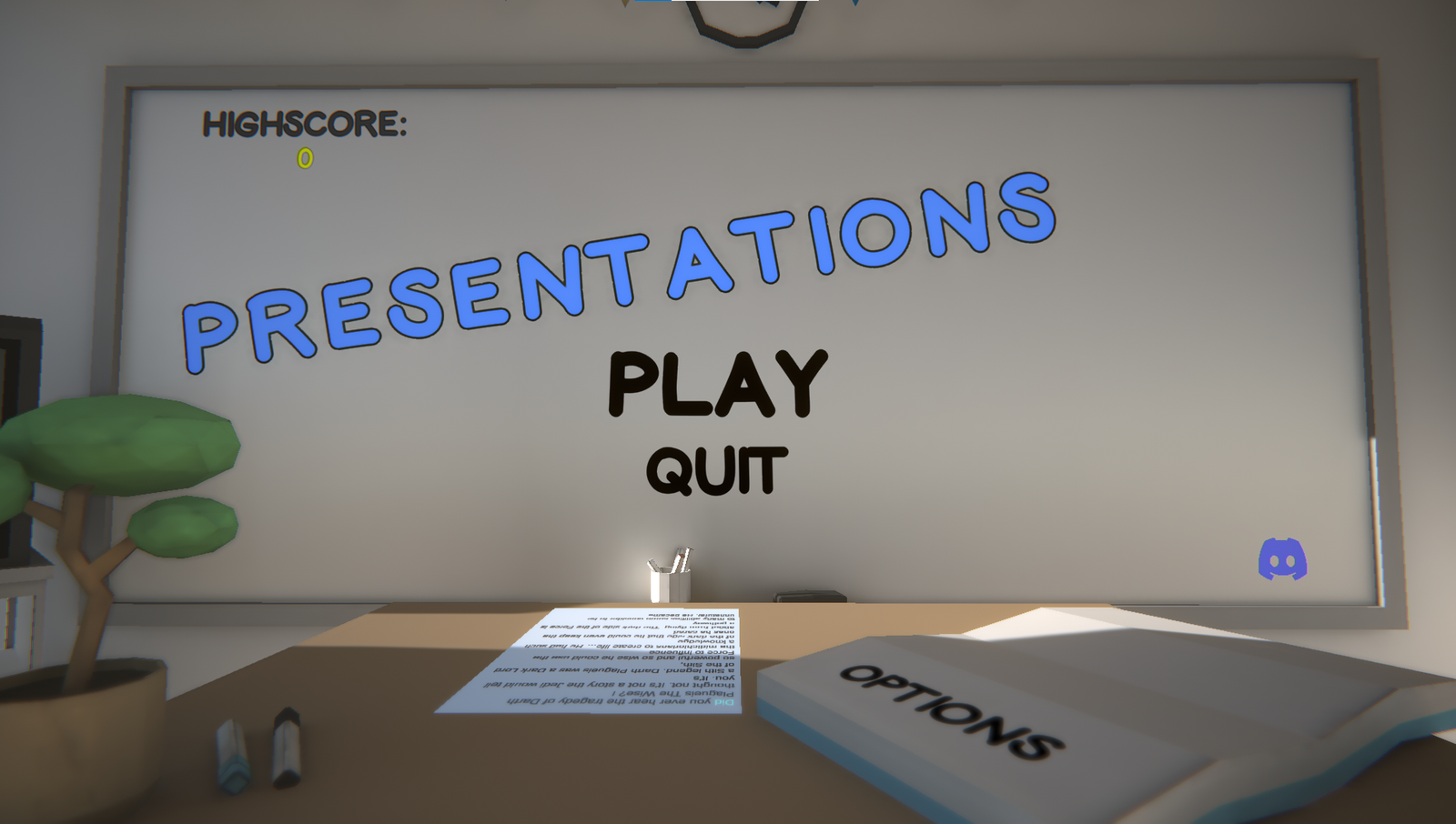
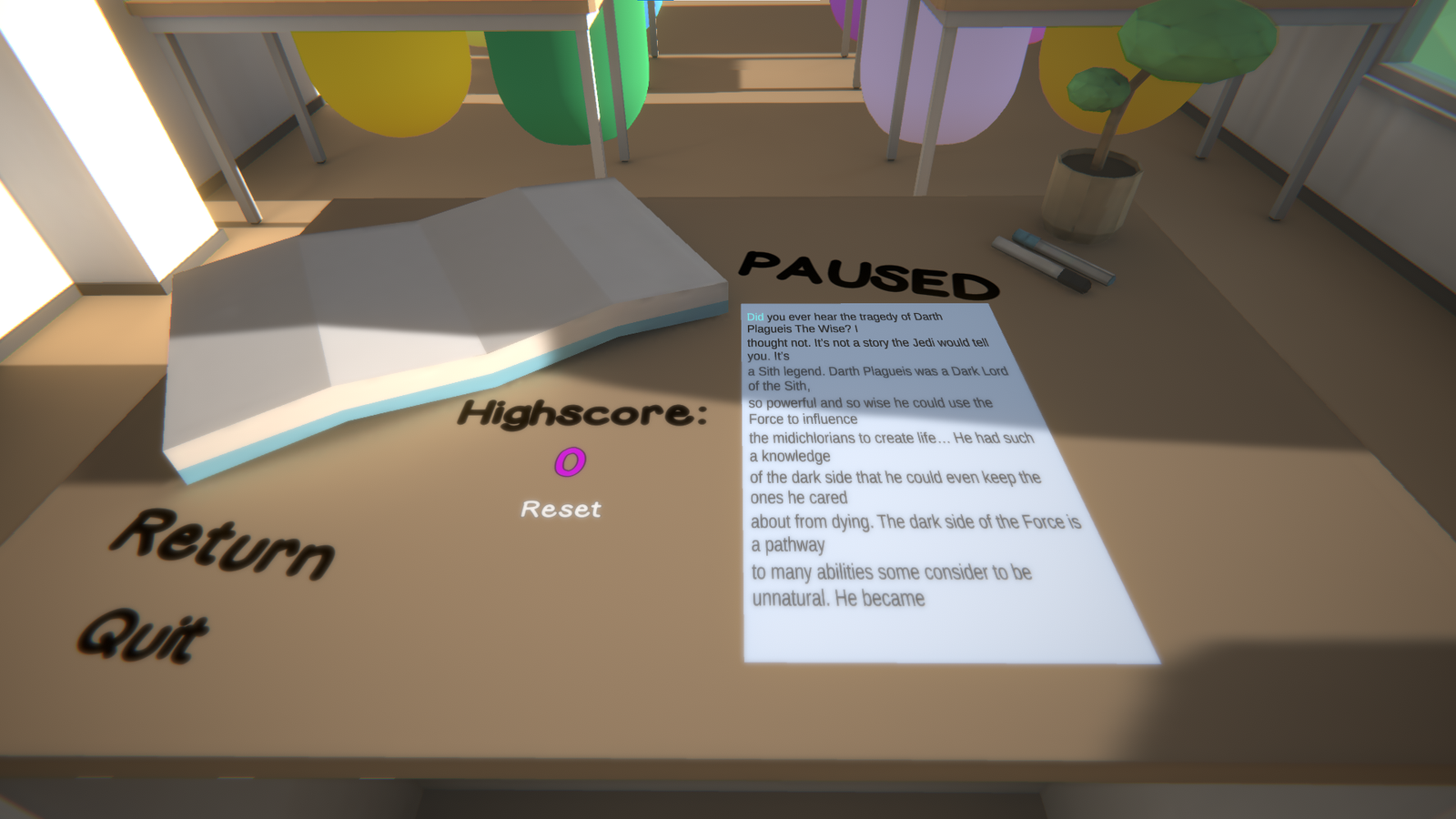
Gameplay footage and screenshots showing the classroom, presentation interface, timing checks and hidden environmental jokes.
Publishing Voice Crack Simulator was an important achievement while I was still developing confidence as an independent developer.
The project proved that a very small joke could become a complete game through focused mechanics, presentation and scoring.
Although its difficulty remains imperfect, completing the text-processing and timing systems significantly expanded my understanding of Unity UI and gameplay state management.
Play Voice Crack Simulator on itch.io